
Learn About GVI’s History!
Green Village Initiative, GVI, was founded in 2011 in Westport, CT and by 2015 had fully moved its base of operations and programs to focus on Bridgeport, CT.
In 2015 GVI underwent a leadership change and shifted to paid staff after years of operating as a fully volunteer-run organization. In 2017 this new staff led GVI through a shift that incorporated values of racial equity and antiracism into new goals, which became centered on food justice.
In 2021, GVI’s 5 year lease from the city of Bridgeport for the land that hosts Reservoir Community Farm was coming to an end, and plans to refuse a renewal of the lease and redevelop the land threatened the farm and GVI’s future.
Our community showed up to support the farm big-time, and through petitioning, showing up at important meetings, conducting surveys to quantify the benefit of the farm, and more. Thanks to this support we secured a new lease after many months of shifting our focus to this campaign for a new lease. Although this was a big win for food justice in Bridgeport, it consumed a lot of our resources and time and put significant stress on our organization.

In late 2023 through early 2024, we worked to shift ownership, tools, and responsibility for our community gardens to community garden captains. We opened up new partnerships with other organizations in Bridgeport to continue supporting youth education and leadership. We received generous funding through grants with funders that believe in our mission and wanted to support us in our transition.
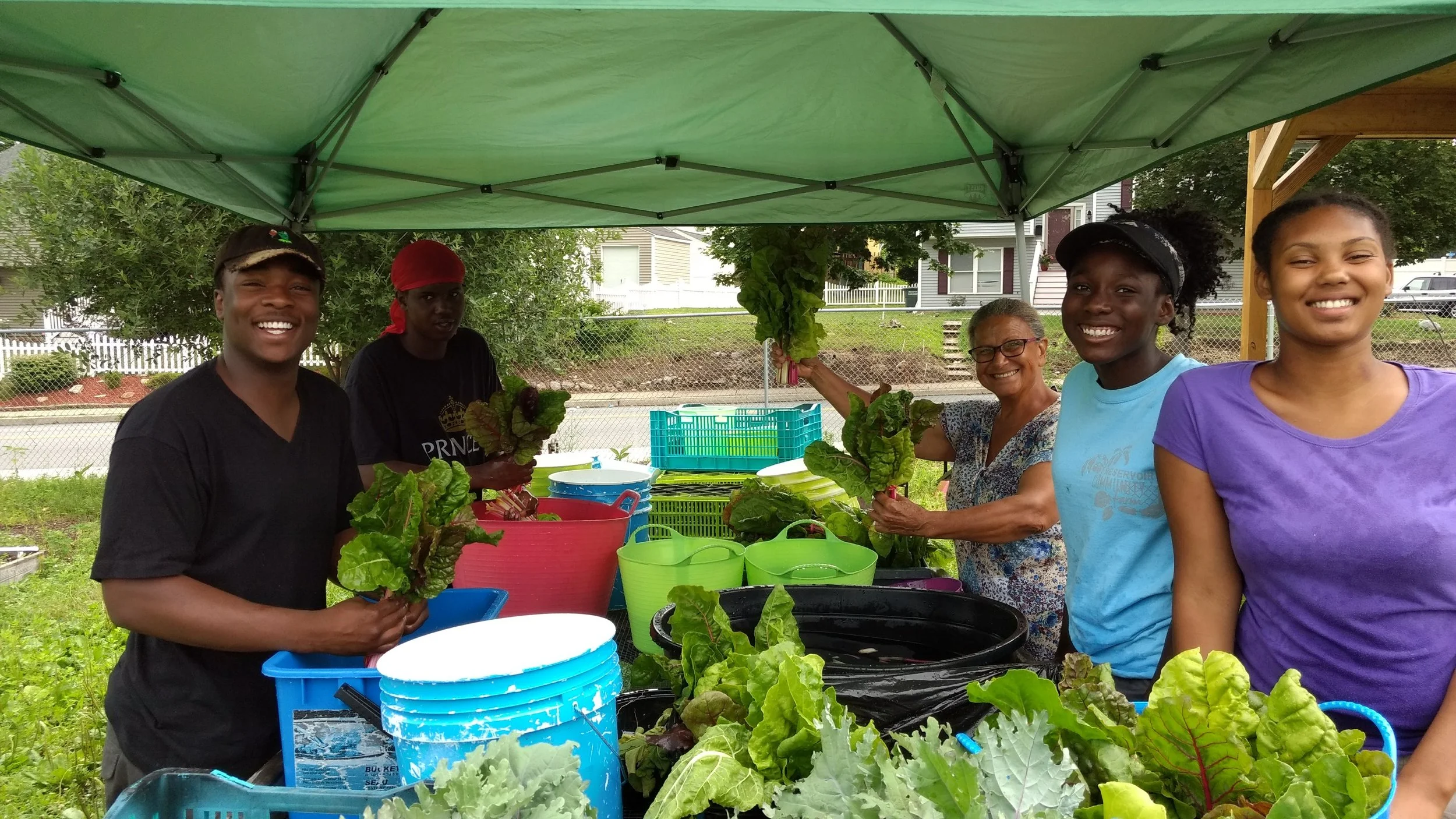
In 2024, we are using Reservoir Community Farm as the core site for our work to create a more just food system in Bridgeport, CT. We are driving this effort by 1) offering education and training opportunities, 2) hosting local urban farmers, and 3) engaging the community (through everything from offering affordable and nutritious food to a space for volunteer days).
GVI’s board and Transition Team are working hard to advance exciting plans for the future and ensure that our land remains as a space where urban farmers, especially Black, Indigenous, and other People of Color (BIPOC) farmers can cultivate food and community in Bridgeport.
